Updated: May 2026
A Complete Price Guide for a Luxury Eco-Yacht Trip in Raja Ampat
- Charter Type: Exclusive private charters are priced per vessel, while per-cabin rates are individual.
- Vessel Caliber: Modern, sustainable yachts with electric propulsion command a premium over traditional vessels.
- Seasonality: Peak season (October-April) rates are 15-20% higher than shoulder season.
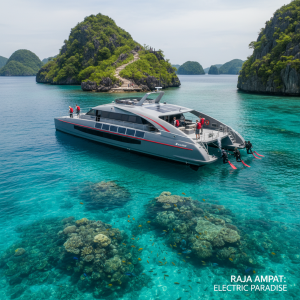
The first thing you register is the silence. Not an absence of sound, but an absence of mechanics. The water laps against the hull, a gentle percussion. From the bow, the primordial silhouettes of karst islands rise from water so impossibly clear it feels like floating on air. A pair of Blyth’s hornbills glide across the sunrise, their wingbeats a soft whoosh in the morning stillness. This is the promise of Raja Ampat, experienced from the deck of a vessel that respects the quiet. But gaining access to one of the planet’s last true marine frontiers comes with a price tag. As a travel editor, I’m often asked not just *where* to go, but *what it costs* to do it right. Let’s pull back the curtain on the investment required for a truly exceptional, sustainable journey through these waters.
Deconstructing the Charter Rate: Private vs. Per-Cabin
The most significant factor influencing the cost of your Raja Ampat expedition is the charter model you choose. The decision between a private charter and a per-cabin booking fundamentally alters both the price structure and the nature of the experience. A private charter grants you and your chosen guests exclusive use of the entire yacht, its crew, and its amenities. Prices are quoted for the whole vessel per night or per week. For a top-tier, 6-cabin phinisi or a modern motor yacht, expect to see rates from $40,000 to over $90,000 per week. For a group of 10 or 12, the per-person cost can become surprisingly comparable to a luxury resort stay, but with an unparalleled level of privacy and itinerary control. We once diverted our course for three hours to spend an afternoon with a pod of pilot whales—a decision only possible with a private charter.
Conversely, a per-cabin booking places you on a pre-scheduled itinerary with other like-minded travelers. This is an excellent option for couples, solo adventurers, or those who enjoy the social dynamic of meeting new people. Rates here are quoted per person, typically for 7- to 10-night journeys, and range from $7,000 to $15,000 depending on the yacht’s luxury level and the cabin’s size and location. While you sacrifice itinerary flexibility, you gain the advantage of a fixed, predictable cost and the expertise of a cruise director who has perfected the route over dozens of voyages. It’s a planned itinerary, ensuring you hit iconic sites like the Wayag viewpoint and the Misool marine sanctuary during optimal conditions.
The Yacht Itself: Tiers of Luxury and Sustainability
Not all vessels are created equal, and the yacht’s pedigree is directly reflected in its price. The romantic image of Raja Ampat is often tied to the Phinisi, a traditional two-masted Indonesian sailing ship. Many have been masterfully converted into floating boutique hotels, complete with air-conditioned suites, gourmet galleys, and dedicated dive centers. A week on a classic, well-appointed Phinisi might fall in the $35,000 to $60,000 private charter range. These ships offer an authentic, soulful way to explore the archipelago, their sails a dramatic profile against the limestone cliffs.
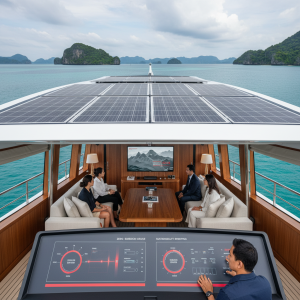
The game-changer, however, is the rise of the eco-yacht. Vessels like those from electric yacht raja mpat represent the pinnacle of modern, responsible marine tourism. These yachts integrate hybrid electric propulsion, extensive solar panel arrays, and sophisticated waste management systems. The premium you pay—often 15-25% more than a conventional yacht of similar size—is an investment in the very ecosystem you’re there to witness. As Captain Adi, a veteran of these waters for over 20 years, told me on my last trip, “With the electric motor, we can approach a feeding manta ray without startling it. The guests see natural behavior. We leave no fuel slick, no engine noise. We are just visitors.” This silent cruising capability is the ultimate luxury, allowing for an intimacy with nature that is simply unattainable on a standard diesel vessel. This commitment to preservation is vital in a region recognized by UNESCO for its staggering marine biodiversity.
Seasonal Swings: When to Go and What to Pay
While Raja Ampat is technically a year-round destination, the weather patterns create distinct seasons that heavily influence pricing and availability. The peak season, running from October through April, coincides with the driest months and the calmest seas. This is the prime time for diving, with water visibility often exceeding 30 meters. Consequently, charter rates are at their highest, and a 15-20% premium is standard. Securing a top yacht during Christmas, New Year’s, or Easter often requires booking 18 months or more in advance. If you have your heart set on these dates, be prepared to act decisively.
The shoulder seasons—May, June, and September—are my personal recommendation for the savvy traveler. The crowds thin out, the anchorages are quieter, and you can often find rates discounted by 10-15%. The weather remains largely favorable, with only occasional rain showers that pass quickly. This period offers a superb balance of excellent conditions and better value. The low season, July and August, brings stronger winds and more consistent rain, especially in the southern region of Misool. While some operators offer discounts of up to 25%, your itinerary may be restricted by the weather. It’s a viable option for those with flexible schedules and a primary focus on the central and northern areas, but it carries an element of risk. The price difference reflects the guarantee of calm seas and uninterrupted sunshine that the peak season provides.
What’s Included? The Anatomy of an All-Inclusive Price Tag
Understanding what your charter fee covers is crucial for accurate budgeting. The term “all-inclusive” can be misleading, so it pays to scrutinize the details. A standard luxury charter fee in Raja Ampat will almost always include your private accommodation, the services of a full crew (typically 1 crew member for every 1-2 guests), all meals and snacks prepared by a private chef, and non-alcoholic beverages. It also covers fuel for the yacht and its tenders for the agreed-upon itinerary and use of onboard water sports equipment like kayaks, stand-up paddleboards, and snorkeling gear. The best operators, including those offering a premier Raja Ampat yachting experience, provide a very comprehensive package.
However, several significant costs are almost universally excluded. First is the Raja Ampat Marine Park permit, known locally as the PIN. For international visitors, this costs IDR 700,000 (approximately $45 USD) and is valid for 12 months. Scuba diving can be another major extra; while some charters include unlimited diving, many charge for tank fills, equipment rental ($50-$75 per day), or specialized guides. Alcoholic beverages, particularly fine wines and spirits, are billed separately. A good bottle of wine that costs $20 at home could be $80 onboard. Finally, and most importantly, is crew gratuity. The industry standard is 10-15% of the total charter fee, presented to the captain at the trip’s conclusion. On a $70,000 charter, this amounts to an additional $7,000-$10,500, a substantial line item that should be factored in from the start.
Beyond the Boat: On-Shore Excursions and Unique Experiences
While the yacht is your floating sanctuary, the soul of Raja Ampat is found in its islands and waters. Many experiences are included, but certain specialized activities can add to your total cost. The iconic trek to the Piaynemo viewpoint, for instance, is typically part of the standard itinerary. However, if you wish to venture deep into the jungle to spot the elusive Red Bird of Paradise, you will require a specialist local guide. This is often arranged by the yacht’s cruise director and can cost an additional $100-$300, depending on the location and guide’s expertise. As my guide explained, “You are paying not for the walk, but for the generations of knowledge of the bird’s habits.”
Visits to local villages are a profound part of the cultural experience. While there’s no entry fee, it’s customary to purchase locally made crafts or make a small contribution to the community. Budgeting $50-$100 for these interactions is a good practice. Furthermore, many high-end yachts now offer wellness services. An onboard massage therapist is a common feature, with treatments like a 60-minute deep tissue massage typically priced between $130 and $200. Private yoga sessions on a deserted beach at sunrise can also be arranged. These are the thoughtful, personalized touches that elevate a trip from a vacation to a life-changing journey, and they should be considered when planning your overall budget for this incredible corner of Indonesia.
Quick FAQ: Your Raja Ampat Budget Questions Answered
Q: How much should I budget for a 10-day trip for two?
A: For a per-cabin booking on a premium eco-yacht, a realistic budget is $20,000 to $30,000 for the cabin, plus international and domestic flights, marine park fees, and a 10-15% crew gratuity. A private charter for the same duration would start from $70,000 for the vessel alone.
Q: Is it cheaper to book directly or through a charter broker?
A: For established, high-quality operators, the price is generally the same. A good broker can offer a wider market comparison, but booking directly with a trusted company like Electric Yacht Raja Ampat ensures you are communicating with the team that will actually be running your trip, which can be invaluable for customizing details.
Q: What are the main “hidden” costs to be aware of?
A: The most common surprises for first-time charter guests are the crew gratuity, the cost of premium alcohol, and sometimes, satellite internet fees, which can be as high as $50-$100 per day for a usable connection. Always request a charter agreement that clearly itemizes all inclusions and exclusions before you place a deposit.
Q: Why is an eco-yacht more expensive than a traditional Phinisi?
A: The initial capital investment for hybrid-electric propulsion, large-scale solar power generation, and advanced water treatment and waste management systems is significantly higher. The premium reflects the cutting-edge technology and a profound commitment to preserving the pristine environment of the Raja Ampat Islands.
A journey through Raja Ampat is an investment, not an expense. The price tag reflects unparalleled access to one of the planet’s most fragile and magnificent ecosystems, the expertise of a professional crew, and a level of privacy and service that is difficult to replicate. It is a valuation of silence, of biodiversity, and of experiencing a place on its own terms. Planning your own voyage into the heart of the Coral Triangle is a complex but rewarding process. To understand the specific costs for your dream itinerary and explore the future of silent, sustainable sailing, visit the experts at electric yacht raja mpat. They can provide a bespoke proposal that aligns your desires with the reality of this extraordinary destination.