Updated: June 2026
Diving and snorkeling Manta Point, Castle Rock, Batu Bolong
Understanding the Marvels of Manta Point, Castle Rock, and Batu Bolong
Diving and snorkeling at Manta Point, Castle Rock, and Batu Bolong present some of the most exhilarating underwater adventures in Komodo and Raja Ampat. a seasoned diver or a snorkeler, these spots promise breathtaking marine biodiversity, including majestic manta rays and vibrant coral gardens. Let’s dive into the details.
How to Dive Manta Point Komodo from Yacht
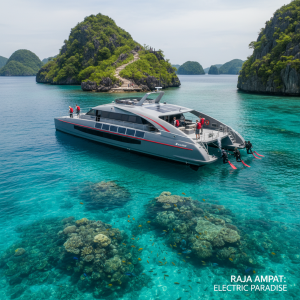
Manta Point is a prime location for divers and snorkelers eager to interact with the magnificent manta rays. If you’re considering a yacht trip, especially on an electric yacht, it’s not only eco-friendly but also offers a unique way to explore the stunning waters of Komodo National Park.
The journey to Manta Point typically starts from Labuan Bajo, where most liveaboards depart. A typical itinerary includes a trip duration of around 3 to 4 days, allowing ample time to explore various dive sites. Expect to pay between $500 to $1,000 per person for a comprehensive liveaboard experience in 2026, which includes meals, equipment, and accommodations.
On the way to Manta Point, your yacht will navigate through the beautiful Komodo archipelago, offering stunning views. The dive site itself is around 15 to 18 meters deep and often features ideal conditions for diving, particularly from April to December, which is considered the best season for manta rays in the region.
The Best Season for Manta Rays in Komodo
The best time to observe manta rays in Komodo is during the dry season, between April and December. During these months, the water visibility is generally excellent, often reaching 20 to 30 meters. The peak months are typically between August and November, when the currents bring nutrient-rich waters that attract manta rays.
While snorkeling is an option year-round, diving during the peak season offers an unparalleled opportunity to witness these graceful creatures up close. Marine life is abundant, and you may also spot other species like turtles and colorful reef fish, making each dive a unique experience.
Diving Castle Rock: Difficulty Level and Conditions
Castle Rock is renowned for its stunning underwater topography and diverse marine life, but it’s essential to understand its difficulty level if you’re planning a dive. Rated as an intermediate to advanced dive site, Castle Rock features strong currents, particularly during tidal changes.
Dive depths here can range from 15 to 30 meters, making it a thrilling experience for those with sufficient diving experience. Divers should be prepared for challenging conditions, including potential down currents. A dive at Castle Rock typically lasts between 45 minutes to an hour. If you’re a novice, it’s advisable to dive with a knowledgeable guide or choose a liveaboard that provides adequate supervision.
Currents at Crystal Rock: Liveaboard Insights
Crystal Rock is another captivating dive spot characterized by vibrant coral gardens and abundant marine life. However, the currents at Crystal Rock can be quite unpredictable. This site is also best suited for intermediate to advanced divers, as strong currents can make the dive challenging.
Liveaboards often schedule dives here during slack tide when the currents are more manageable, allowing divers a safer experience. It’s crucial to dive with a reliable operator who knows the local conditions well to ensure a safe and enjoyable dive. The conditions can fluctuate dramatically, so always check in with your dive master regarding current levels.
Is Batu Bolong Safe for Beginners?
Batu Bolong is often regarded as one of the must-dive sites in Komodo, famous for its rich marine biodiversity and stunning coral reefs. While it can be an exhilarating experience, it may not be the best choice for absolute beginners. The site generally has moderate currents, which can be challenging for novice divers.
However, if you’re an inexperienced diver but eager to dive here, consider going with an experienced guide and opting for smaller groups. The depth varies from 10 to 30 meters, providing ample opportunities to encounter various marine species, including reef sharks and schools of colorful fish. For beginners, a guided snorkeling tour can be a fantastic way to experience the beauty of Batu Bolong without the added stress of diving.
Manta Point vs. Manta Sandy: A Comparative Look
When considering where to dive in search of manta rays, many wonder about the differences between Manta Point and Manta Sandy in Raja Ampat. While both locations are excellent for encountering these gentle giants, their experiences can differ significantly.
- Manta Point: Known for its deeper waters and stronger currents, Manta Point typically attracts larger mantas. Dive depths range from 15 to 25 meters, making it more suitable for experienced divers.
- Manta Sandy: This site is more accessible for beginners, with depths reaching around 10 to 15 meters. The currents are generally milder, ideal for snorkeling and entry-level divers.
Overall, choosing between the two will depend on your diving experience and the type of experience you’re seeking. For seasoned divers, Manta Point may offer a more thrilling adventure, while Manta Sandy is perfect for beginners and those who prefer a relaxed experience.
Snorkeling vs. Diving at Manta Point
The debate between snorkeling and diving at Manta Point ultimately comes down to personal preference. Both activities provide unique opportunities to witness the beauty of the underwater world, but they cater to different experiences.
- Snorkeling: Allows you to stay on the surface while observing the manta rays and other marine life. It’s a fantastic option for families or those not comfortable with diving.
- Diving: Offers a closer encounter with the mantas at greater depths (up to 25 meters) and a chance to observe a wider variety of marine life in their natural habitat.
If you choose to snorkel, you can often still see manta rays gliding gracefully through the water, but diving will immerse you in their environment. The visibility at Manta Point can exceed 30 meters during peak season, making it a great spot for both activities.
Best Liveaboard for Batu Bolong Diving
Finding the best liveaboard for diving at Batu Bolong requires consideration of various factors, including comfort, safety, and the experience of the crew. In 2026, several operators stand out for their excellent service and dive experiences.
- Pelagian Liveaboard: Known for its spacious cabins and experienced crew, Pelagian offers a fantastic Komodo itinerary that includes Batu Bolong. Prices start around $800 per person for a 5-day trip.
- Oceanic Discoverer: This liveaboard is perfect for those looking for luxury and comfort. They provide top-notch dive gear and knowledgeable dive guides, with trips starting around $1,200 per person.
- Mermaid II: An affordable yet comfortable option, with 4-day trips priced at approximately $600 per person, including meals and diving equipment.
Choosing the right liveaboard will enhance your diving experience at Batu Bolong, allowing you to explore its mesmerizing underwater landscapes without any hassle.
Frequently Asked Questions
- What is the best time of year to dive at Manta Point?
The ideal time to dive at Manta Point is from April to December when mantas are most active and conditions are optimal. - Is it safe to snorkel at Manta Point?
Yes, snorkeling is safe at Manta Point, but it’s essential to go with a guide and stay informed about current conditions. - Can beginners dive at Batu Bolong?
While Batu Bolong can be challenging due to currents, beginners can dive here with proper guidance and supervision.
Adventure awaits in the breathtaking waters of Komodo and Raja Ampat. Whether you choose to dive or snorkel, each site offers a unique glimpse into the underwater world filled with vibrant life and stunning vistas. Ready to embark on this unforgettable journey? Book your diving adventure today!
Explore more from Electricyachtrajampat
- Electricyachtrajampat — home
- Electric Yacht Raja Mpat — Raja Ampat Luxury Travel: A Guide t…
- Electric Yacht Raja Mpat — Electric Yacht Raja Ampat: The Ulti…
- 3-Day Electric Yacht Raja Ampat Itinerary
- Komodo National Park yacht itineraries from Labuan Bajo
- Top Raja Ampat dive and snorkel sites by electric yacht